Unlocking Practicality: The Merits of Sauce Sachets in Contemporary Packaging Solutions
In recent years, sauce sachets have gained momentum as a popular packaging solution in the food industry. Their single-use design addresses a range of consumer needs, from convenience to portion control. As lifestyles grow more fast-paced, the appeal of compact, travel-friendly options expands. Yet, the benefits go beyond mere convenience. There are more profound implications for sustainability and health that require exploration. What factors are propelling this shift in consumer behavior?
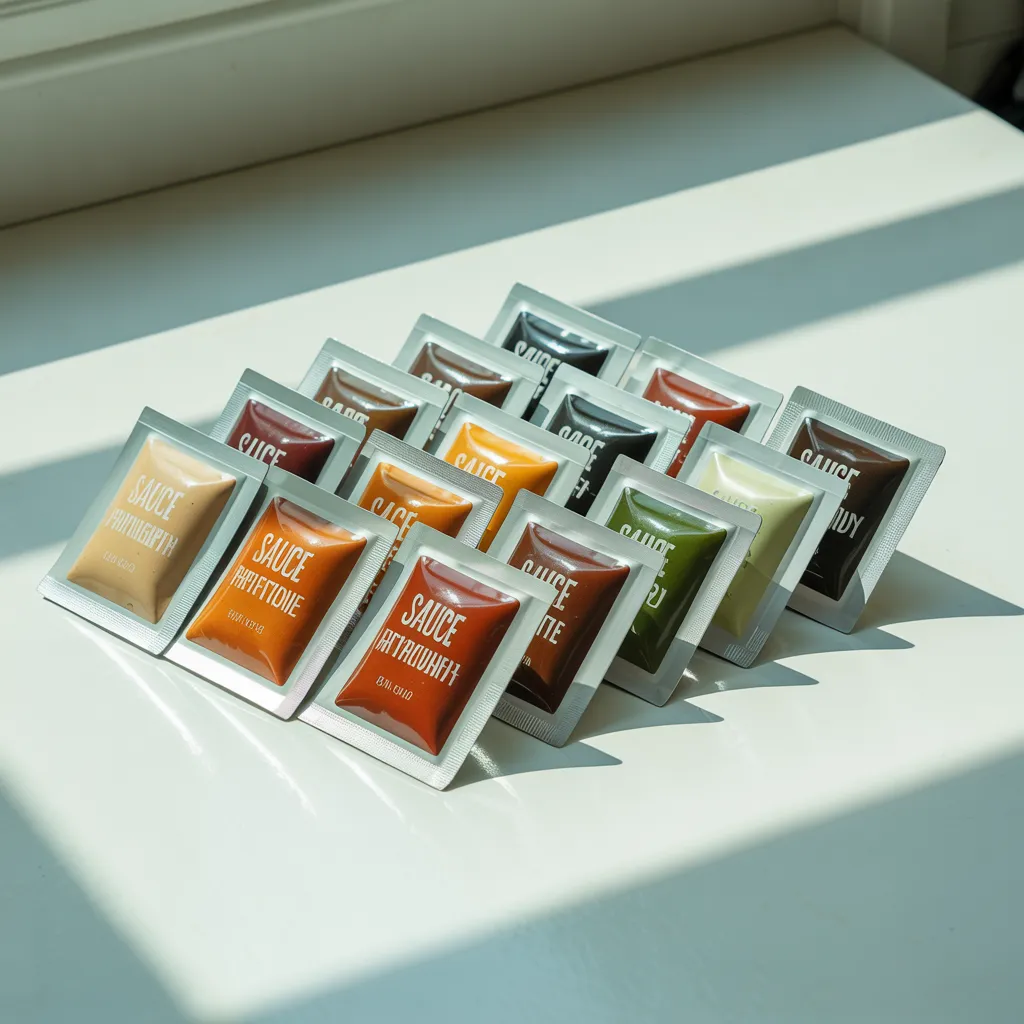
Sauce Sachets on the Rise: Understanding Their Dominance in Modern Packaging
With consumers progressively looking for convenience in their eating experiences, sauce sachets have emerged as a desired solution in modern packaging. These small, single-serving packets offer a pragmatic alternative to traditional sauce containers, meeting the fast-paced lifestyles of contemporary eaters. The increase of sauce sachets can be credited to their transportability, ease of use, and minimal waste, making them significantly appealing for on-the-go meals.
Companies have acknowledged the growing demand for these sachets, leading to a wider variety of sauces offered in this format, including favored choices like ketchup, mustard, and specialty sauces. Additionally, sauce sachets support sustainability efforts, as they frequently require less packaging material than larger containers. This shift not only meets consumer preferences but also resolves environmental concerns. In summary, the proliferation of sauce sachets signifies a substantial change in how sauces are packaged and consumed, reflecting a broader trend toward convenience in food products.
Convenience as a Priority: Why Customers Choose Sauce Sachets
Customers are growing more fond of sauce sachets because of their portability and ease, permitting easy use during hectic routines. These single-serving packets also give portion control, ensuring that individuals to enjoy just the right amount without surplus. Besides, sauce sachets contribute to reduced waste, satisfying environmentally aware buyers seeking sustainable alternatives.
Convenience on the Go
How might the shift towards on-the-go lifestyles influence dining habits? With an increasing number of people valuing ease of use, the need for grab-and-go food solutions keeps growing. Condiment packets have become a functional answer, permitting consumers to experience their beloved seasonings without requiring cumbersome containers. These single-use packets cater to busy lifestyles, making it easy to enhance meals in workplace settings, on trips, or throughout recreational activities. Furthermore, condiment packets remove the clutter linked to conventional sauce bottles, offering a more efficient approach. This adaptability aligns with the preferences of modern consumers desiring rapid, stress-free eating alternatives. Finally, individual sauce portions demonstrate a notable progression in food container innovation, enabling a perfect combination of taste and practicality for our modern high-speed lifestyle.
Controlling Portion Sizes: Key Benefits
Portion management has emerged as a key component in modern dining, especially since health-conscious individuals seek to harmonize flavor with moderation. Sauce sachets offer a practical solution, permitting consumers to enjoy their favorite condiments without overindulging. Each sachet provides a pre-measured serving, which assists individuals manage calorie intake while still enhancing their meals. This approach eliminates guesswork, promoting more mindful eating habits. Additionally, the convenience of sachets makes it simpler to maintain dietary goals, as they can be easily transported and accessed when dining out or on-the-go. By integrating portion control into their eating routines, consumers can enjoy flavors responsibly, matching their culinary experiences with their health aspirations. Therefore, sauce sachets have emerged as a preferred choice in modern dining.
Reduced Refuse Options
The transition to sauce sachets not only enables portion control but also substantially aids in reducing waste in foodservice and dining. By delivering single-serving sizes, sachets decrease the likelihood of leftover sauces that often remain unused and eventually thrown away. This precise packaging approach assists restaurants and consumers alike manage their sauce intake more effectively, leading to less food waste overall. Additionally, the compact design of sachets enables efficient storage and transportation, decreasing the carbon footprint related to packaging. As sustainability becomes a priority for consumers, the use of sauce sachets aligns with eco-friendly practices. This innovative solution exemplifies how modern packaging can fulfill the demands of convenience while tackling environmental concerns, ultimately enhancing the dining experience.
Managing Portions: Minimizing Waste With Sauce Sachets
Though many people recognize the convenience of quick dining solutions, sauce sachets perform a vital role in managing portion control and limiting food waste. These single-serving packets permit individuals to use only the necessary volume of sauce for their meals, eliminating excess from being wasted. In contrast to traditional bottles that may encourage over-pouring, sachets provide a pre-measured quantity, aligning with consumer demands for moderation and sustainability.
Travel-Ready Options: How Sauce Sachets Elevate Practicality for Mobile Meals
Sauce sachets offer a practical solution for those seeking convenience in eating while traveling. Their lightweight and compact design facilitates easy transport, while the already-portioned quantities facilitate meal preparation without waste. In addition, the minimal cleanup necessary makes them an perfect solution for active lifestyles.
Easy Portion Control
Convenience stands as an essential factor for individuals seeking quick meal options, and sauce sachets provide an ideal solution for easy portion control. These tiny, pre-measured packets allow consumers to dispense just the right amount of sauce without the need for measuring tools or guesswork. This not only minimizes food waste but also improves the dining experience by ensuring that each meal is perfectly flavored. Furthermore, sauce sachets cater to diverse dietary preferences, allowing users to choose specific flavors and quantities according to their needs. The ease of use supports portion control, helping individuals maintain a balanced diet while enjoying their favorite sauces. On the whole, sauce sachets considerably simplify meal preparation for those with discover details on busy lifestyles.
Lightweight and Compact
For individuals with hectic schedules, the lightweight and compact nature of sauce sachets makes them an excellent option for on-the-go meals. These small packets easily fit into lunchboxes, backpacks, or pockets, delivering a handy option for flavor enhancement without the bulk of conventional jars or bottles. Their portability permits individuals to enjoy a diverse selection of sauces, from ketchup to gourmet dressings, no matter their location, whether at school, work, or while traveling. Moreover, sauce sachets can be brought to picnics, camping trips, or road trips, seeing to it that meals remain delicious and pleasant without the added weight. This practicality matches ideally with the fast-paced lifestyle countless people follow currently, making meal customization easy and convenient.
Minimal Cleanup Necessary
Eliminating the hassle of cleanup, sauce sachets deliver a practical solution for those having meals on the go. Unlike traditional condiment dispensers, sachets are made for single-use, ensuring that users can easily dispense the desired amount of sauce without the mess of spills or drips. This feature is especially beneficial for busy individuals who may eat in their cars, at the work, or during outdoor activities. With no need for utensils or additional receptacles, sauce sachets enhance the dining experience, allowing consumers to focus on convenience and flavor. Additionally, the compact nature of sachets means they can be readily stored in bags or pockets, contributing to an overall minimalist and efficient approach to dining while traveling.
Various Uses: Not Just Condiments
Sauce sachets have evolved further than their primary role as basic condiment dispensers, showcasing a remarkable versatility that permits them to perform diverse culinary and creative purposes. These compact, sealed packets are now employed for diverse applications, including salad dressings, marinades, and cooking sauces, making them an essential addition to meal preparation and dining experiences.
Additionally, sauce sachets have become prevalent in the fields of catering and food trucks, delivering convenience for both vendors and consumers. They supply just the right amount of flavor without the need for unwieldy bottles or jars.
Additionally, novel applications include integrating unique flavors into drinks and desserts, giving professional chefs and home cooking enthusiasts the opportunity to explore without waste. Consequently, sauce sachets have surpassed their conventional boundaries, becoming multipurpose items that improve gastronomic innovation and optimize food service operations.
Green Alternative: Why Sauce Sachets Are Good for the Planet
While several packaging solutions add to environmental challenges, sauce sachets have become a sustainable option in the food industry. These individual packets are frequently made from recyclable materials, lowering the overall waste footprint versus bulk packaging. Their lightweight design reduces transportation emissions, even more enhancing their eco-friendliness. In addition, sauce sachets ensure portion control, which serves to prevent food waste. By providing only the right amount of sauce required, consumers are not inclined to discard unused products.
Furthermore, developments in biodegradable materials are steadily being incorporated into sachet production, encouraging a circular economy. This shift towards sustainable ingredients not only reinforces sustainability efforts but also aligns with consumer preferences for more eco-friendly alternatives. In a world where decreasing waste is vital, sauce sachets provide an innovative solution that combines convenience with ecological responsibility, making them a valuable option in the modern packaging landscape.
Reducing Expenses: The Financial Advantages of Sauce Sachets
Sauce sachets provide a cost-effective option for both consumers and businesses. By reducing packaging costs and enabling precise portion control, they help reduce waste and streamline expenditures. This economic efficiency makes sauce sachets an desirable choice in current packaging solutions.
Reduced Package Costs
As businesses seek to optimize their operational expenses, the financial advantages of sauce sachets proves to be a compelling solution. These compact, versatile packages require less material than typical containers, greatly reducing processing and freight costs. The lightweight characteristic of sachets permits efficient transportation, reducing fuel expenses and carbon emissions. Furthermore, their compact size facilitates space-saving storage, contributing to lower warehousing costs. Manufacturers can also gain from reduced labor costs related to packaging, as sachets often demand simpler, automated filling processes. By decreasing overall packaging expenses, businesses can allocate resources more effectively, enhancing profitability. In conclusion, sauce sachets offer a financially savvy option for companies seeking to streamline their packaging strategy while maintaining product quality and appeal.
Controlling Portion Sizes: Benefits
Strategic portion control is a key advantage of using sauce sachets, directly contributing to cost savings for both businesses and consumers. By providing pre-measured servings, sachets decrease the risk of overuse and waste, ensuring that each drop of sauce is used effectively. This is particularly beneficial for restaurants and food service establishments, where ingredient costs can substantially impact profitability. For consumers, the ability to use only what is needed can result in reduced grocery bills and less food waste at home. Additionally, sauce sachets allow for greater versatility in meal preparation, encouraging users to experiment without committing to large quantities. Overall, sauce sachets serve as a efficient solution that enhances financial efficiency in food consumption.
Customizing Sauce Sachets: Customizing Flavors for Customers
When consumers seek a unique dining experience, the customization of sauce sachets functions as a powerful tool for brands to cater to diverse tastes. By providing a variety of flavors, brands can improve customer satisfaction and loyalty. Custom sauce sachets allow consumers to select their preferred condiments, whether it be spicy, sweet, or savory options, consequently improving their meals.
This customization approach also helps brands to distinguish themselves in a competitive market. By partnering with chefs and flavor experts, companies can produce signature sauces that appeal to specific demographics or culinary trends. Special-edition and seasonal flavors can further entice customers, prompting them to experiment with their meals.
Furthermore, tailored sauce sachets can appeal to niche markets, for example vegan or gluten-free diners, making sure that all customers feel included. This strategic approach not only enhances the dining experience but also reinforces brand identity and fosters closer connections with diners.
Hygiene and Safety: Sanitation Advantages of Sauce Sachet Packaging
The attention to customization in sauce sachets inherently connects to aspects of health and safety, specifically relating to hygiene. This packaging method considerably minimizes contamination risks, as each sachet is sealed individually, preserving its contents from external pollutants. In contrast to shared containers, which can accumulate bacteria from multiple users, sachets ensure that sauces remain uncontaminated until they are opened.
Additionally, the single-use design reduces the likelihood of cross-contamination, making sauce sachets an excellent choice for foodservice operations. They also eliminate the need for utensils, further minimizing potential sources of germs. In a world increasingly concerned with health, the convenience of sachets aligns with consumer demand for safe dining experiences. This aspect of sauce sachets not only improves food safety but also instills confidence in patrons, thereby promoting a complete approach to health-conscious dining. Overall, these hygiene benefits underscore the essential role of sauce sachets in modern packaging solutions.
The Evolution of Sauce Sachets: Emerging Trends to Observe
As shoppers progressively focus on sustainability and convenience, the future of sauce sachets is ready for major evolution. Manufacturers are researching biodegradable and compostable materials to minimize ecological footprint, aligning with growing eco-conscious consumer preferences. Innovations in packaging technology are also increasing, with smart sachets that can show freshness or adjust their properties in response to temperature changes.
Additionally, the shift towards personalization carries on, with brands presenting customizable sachets that enable consumers to combine flavors in line with their tastes. This transformation not only enhances user experience but also fosters brand loyalty.
Moreover, the integration of digital technology into packaging is projected to increase, permitting consumers to access recipe ideas and nutritional information via QR codes on sachets. As these trends evolve, sauce sachets are likely to become even more versatile and appealing, positioning them as a staple in the modern culinary landscape.
FAQ
Can Sauce Packets Be Recycled or Composted?
Sauce packets generally cannot be recycled due to their mixed materials, which typically contain a mix of plastic and aluminum foil. Certain manufacturers are investigating compostable options, though widespread access remains constrained, demanding proper waste management.
How Long Before Sauce Sachets Reach Their Expiration Date?
Sauce packets typically last between six months and two years before expiration, contingent upon the ingredients and storage conditions. If properly sealed and kept in a dry, cool place, they maintain quality for an extended period.
What Materials Are Sauce Sachets Made From?
Sauce sachets are typically made from materials such as polypropylene, polyethylene, or combined plastic film layers. These materials provide durability, protective barriers from moisture and air, and flexibility for convenient sauce dispensing.
Is It Possible to Use Sauce Sachets for Hot Sauces?
Absolutely, sauce sachets can be used for hot sauces. They are created to withstand heat, enabling easy packaging of spicy condiments, which makes them excellent for on-the-go consumption without affecting flavor or quality.
Are There Any Allergens in Common Sauce Sachets?
Standard sauce sachets can contain allergens including soy, wheat, dairy, or tree nuts, according to the ingredients used. Consumers should carefully read labels to spot potential allergens and ensure safe consumption.